

In recent years, the market for smart homes has expanded significantly and advanced significantly. A "smart home" is a place of living with a variety of automated or remote-controllable appliances and systems that improve security, convenience, comfort, and energy efficiency. The Internet of Things (IoT) technology connects these systems, allowing for seamless communication and control. With ongoing technical developments and an increase in the use of smart home solutions globally, the market is expected to experience rapid expansion in the near future.
Increased market capacities are anticipated as a result of factors like an increase in internet users, rising disposable income in emerging nations, expanding importance of home monitoring in remote places, and increased demand for energy-saving and low-carbon emission solutions.
The market for smart homes is highly competitive, with several well-known companies vying for market share. Amazon.com Inc., Google LLC, Apple Inc., Samsung Electronics Co. Ltd., Schneider Electric SE, Honeywell International Inc., Siemens AG, LG Electronics Inc., and Sony Corporation are a few of the major companies in the market. To increase their market presence, these businesses are actively engaged in product innovation, alliances, mergers, and acquisitions, as well as the expansion of their product ranges.
Driving Factors
The market for smart homes has been significantly impacted by the development of IoT technology. Homeowners may now manage and control many parts of their houses remotely because to the growing connectivity and interoperability of electronics and appliances. The use of IoT-enabled products has increased as a result of the convenience, energy efficiency, and security they provide. Examples include smart thermostats, smart lighting systems, and smart security systems.
Restraining Factors
The high upfront expenses related to integrating smart home technology are one of the main obstacles for the market. Some consumers choose not to invest in smart home solutions because they find the cost of smart gadgets, automation systems, and installation costs to be prohibitive. Slower adoption rates are caused by the cost aspect, which is especially noticeable when retrofitting older homes with smart technologies. A big barrier for the business is the absence of standardised protocols and interoperability between various smart home platforms and devices. Integrating devices from several brands can be challenging and annoying for customers because numerous manufacturers offer their own proprietary technologies and protocols. This fragmentation prevents interoperability and smooth connectivity, restricting the entire user experience and stifling market expansion.
Report Coverage
Global Smart Home research report categorizes the market for global based on various segments and regions, forecasts revenue growth, and analyzes trends in each submarket. Global Smart Home report analyses the key growth drivers, opportunities, and challenges influencing the global market. Recent market developments and Smart Home competitive strategies such as expansion, product launch and development, partnership, merger, and acquisition have been included to draw the competitive landscape in the market. The report strategically identifies and profiles the key Smart Home market players and analyses their core competencies in each global market sub-segments.
| REPORT ATTRIBUTES | DETAILS |
|---|---|
| Study Period | 2017-2030 |
| Base Year | 2020 |
| Forecast Period | 2022-2030 |
| Historical Period | 2017-2019 |
| Unit | Value (USD Billion) |
| Key Companies Profiled | Johnson Controls, Honeywell, Siemens, Amazon, Apple, ADT, ABB, Robert Bosch, Sony, Samsung Electronics, Ooma, Delta Controls, Control4, Schneider Electric, ASSA ABLOY, Others. |
| Segments Covered | • By Product |
| Customization Scope | Free report customization (equivalent to up to 3 analyst working days) with purchase. Addition or alteration to country, regional & segment scope |
Key Points Covered in the Report
- Market Revenue of Smart Home Market from 2021 to 2030.
- Market Forecast for Smart Home Market from 2021 to 2030.
- Regional Market Share and Revenue from 2021 to 2030.
- Country Market share within region from 2021 to 2030.
- Key Type and Application Revenue and forecast.
- Company Market Share Analysis, Smart Home competitive scenario, ranking, and detailed company
profiles. - Market driver, restraints, and detailed COVID-19 impact on Smart Home
Market
Competitive Environment:
The research provides an accurate study of the major organisations and companies operating in the global Smart Home market, along with a comparative evaluation based on their product portfolios, corporate summaries, geographic reach, business plans, Smart Home market shares in specific segments, and SWOT analyses. A detailed analysis of the firms' recent news and developments, such as product development, inventions, joint ventures, partnerships, mergers and acquisitions, strategic alliances, and other activities, is also included in the study. This makes it possible to assess the level of market competition as a whole.
List of Major Market Participants
Johnson Controls, Honeywell, Siemens, Amazon, Apple, ADT, ABB, Robert Bosch, Sony, Samsung Electronics, Ooma, Delta Controls, Control4, Schneider Electric, ASSA ABLOY, Others.
Primary Target Market
- Market Players of Smart Home
- Investors
- End-users
- Government Authorities
- Consulting And Research Firm
- Venture capitalists
- Third-party knowledge providers
- Value-Added Resellers (VARs)
Market Segment:
This study forecasts global, regional, and country revenue from 2019 to 2030. Spherical Insights has segmented the global Smart Home market based on the below-mentioned segments:
Global Smart Home Market, By Product
- Lighting Control
- Security & Access Control
- HVAC Control
Global Smart Home market, By Software & Service
- Behavioral
- Proactive
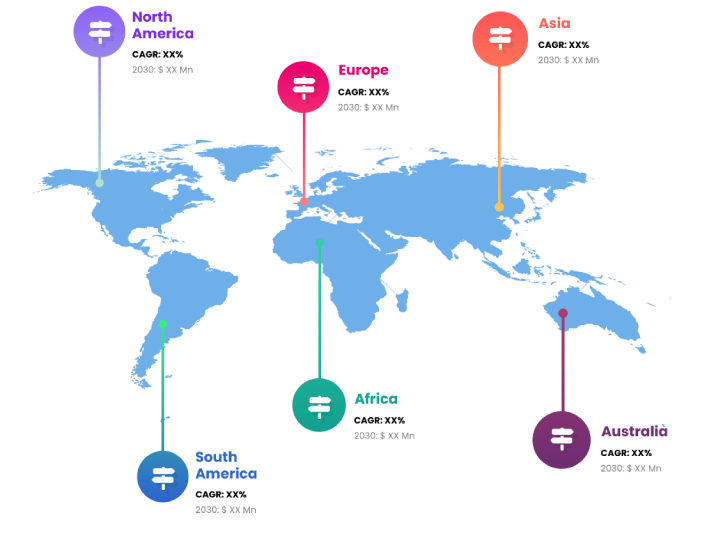
Global Smart Home market, Regional Analysis
- Europe: Germany, Uk, France, Italy, Spain, Russia, Rest of Europe
- The Asia Pacific: China,Japan,India,South Korea,Australia,Rest of Asia Pacific
- South America: Brazil, Argentina, Rest of South America
- Middle East & Africa: UAE, Saudi Arabia, Qatar, South Africa, Rest of Middle East & Africa
You will get in-depth and extensive smart home market market research and competitor analysis for your business to help you develop more profound insights into the smart home market Market.
Through INFINITIVE Data Expert is a professional Market Research services, I will identify the smart home market market size, demand & opportunities, growth rate, and target audience with a comprehensive analysis of your competitors.